
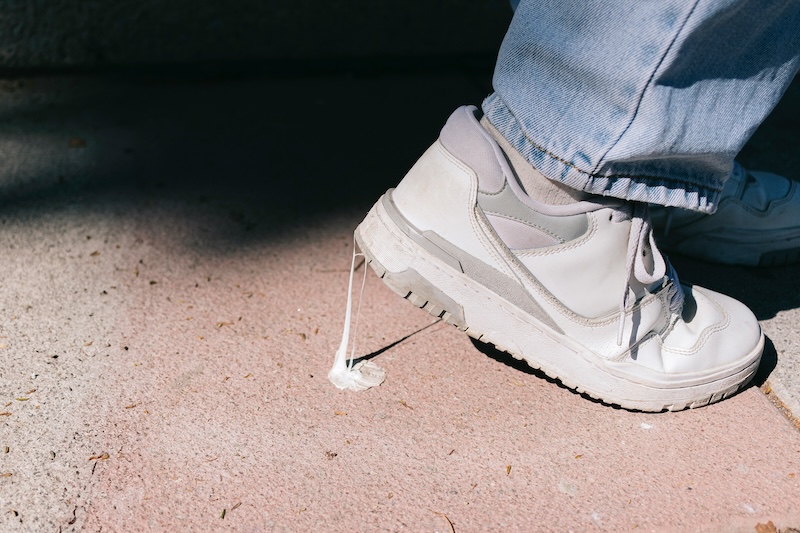
Few things are as frustrating as finding chewing gum stuck where it doesn’t belong. Whether it’s on a carpet, under a desk, or on a hard floor, gum can quickly turn into a sticky problem if not handled properly. Fortunately, with the right tools and techniques, removing gum doesn’t have to be a challenge. These five expert tips will show you how to remove gum from any surface safely, efficiently, and without damage.
One of the simplest and most effective ways to remove gum is by freezing it. This method hardens the gum, making it easier to scrape off without smearing.
Pro Tip: For carpeted areas, use a freezer spray to target the gum directly without soaking the fibers.
If residue remains after freezing, an enzyme cleaner can break down the gum’s organic compounds. These cleaners use natural enzymes to dissolve sticky residues without harsh chemicals — ideal for floors, furniture, and fabrics.
For tile, concrete, or sealed flooring, heat can soften gum enough to make it peel away cleanly.
Pro Tip: Follow with a spray cleaner to remove any leftover residue and restore shine.
Some surfaces — especially concrete, vinyl, and industrial flooring — may require a solvent cleaner to remove gum oils completely. These formulas dissolve sticky adhesives and are commonly used in commercial janitorial applications.
After gum removal, protect your surfaces with a thin coat of floor polish or stainless steel cleaner to restore shine and prevent future buildup. This final step helps seal the cleaned area and maintain a uniform finish throughout your facility.
To reduce gum cleanup in your facility, post signage in common areas reminding staff and visitors to dispose of gum properly. Incorporate routine floor inspections and spot cleaning into your janitorial schedule to catch sticky messes early — before they become a bigger issue.
Removing gum doesn’t have to be a sticky situation. By using ice, heat, enzyme cleaners, or solvents appropriately, you can remove gum from any surface without damaging floors or furniture. Consistent maintenance and professional cleaning products keep your facility looking spotless and inviting.
At Innov8 Supply, we carry a full range of commercial cleaning products — including enzyme cleaners, solvents, and floor polishes — designed to make gum removal and surface maintenance easier than ever.
Shop now to discover products that help you clean smarter, not harder.
share this post: